 Catalog
LTX-2.3: open video and audio from one model
Lightricks' latest open model takes text, images, or existing clips and returns video with audio already attached, skipping the separate sound step that makes most open video pipelines a chore.
What it is. An open video model from Lightricks, and an incremental step forward from LTX-2. Feed it text, an image, an image with a text prompt, or an existing video, and it returns a clip with audio already generated in the same pass. The model covers a wide range of tasks: text-to-video, image-to-video, video-to-video, and several audio generation modes including video-to-audio and audio-to-audio.
Why it matters. Open video models have mostly been silent, which means sourcing or generating audio separately and then syncing it yourself. LTX-2.3 folds that into one model, so the output arrives with sound already matched to the picture. For a motion designer or editor who needs a fast, self-contained open-source option, that is a real reduction in pipeline steps.
What it improved on. Earlier versions of the LTX line left audio entirely out of scope. LTX-2 introduced audio generation; LTX-2.3 refines that foundation. The version bump suggests quality and reliability improvements over LTX-2, though Lightricks has not published a detailed public changelog that spells out every difference.
Strengths. Open weights, which means you can run it locally or integrate it into your own pipeline. It supports a broad set of input and output modes, and it connects to the Diffusers library, so the setup path is familiar if you already work with Hugging Face tooling. Multilingual prompt support covers English, German, Spanish, French, Japanese, Korean, Chinese, Italian, and Portuguese.
Weaknesses. Clip length is limited, as it is with most open video models right now. Output quality still sits below closed commercial models like Veo or Kling, particularly on motion fidelity and longer or more complex scenes. It asks for meaningful GPU resources to run at a reasonable speed, so lighter hardware will struggle. The audio generation is a genuine differentiator, but it is still maturing and can feel inconsistent depending on the prompt and source material.
More Models
 New
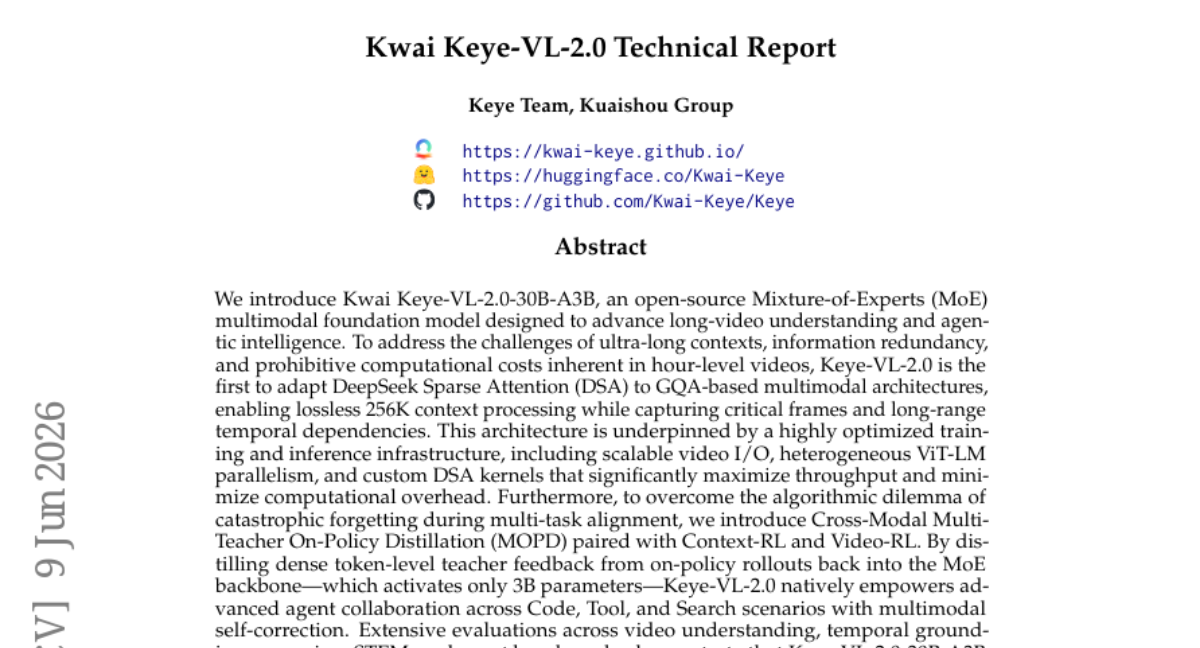
New Kwai's open 30B MoE model can reason over hour-long videos in a single pass, which puts it in rare company among openly released multimodal models.
Keye-VL-2.0: open multimodal model built for long video
JUN 9
Microsoft's 3.8B-parameter diffusion model punches at FLUX and SD3 levels while costing meaningfully less to train, which matters if you care about what comes next in open image generation.
Lens: a leaner text-to-image model that trades compute for quality
MAY 8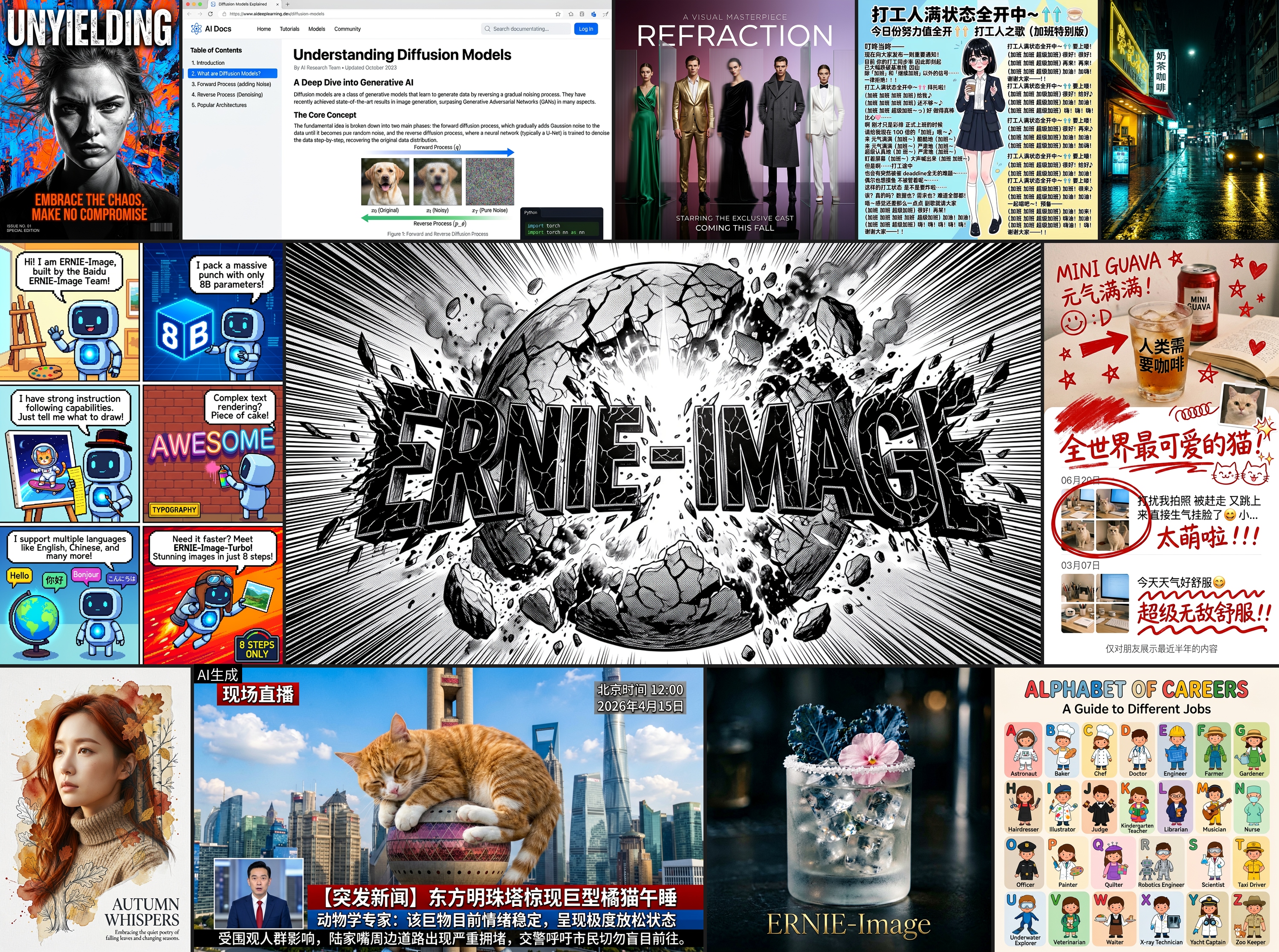
An 8B-parameter open-weight image model from Baidu that claims top-of-class quality among open generators, worth a look if you're weighing alternatives to Flux or SD3.