 Catalog
Lens: a leaner text-to-image model that trades compute for quality
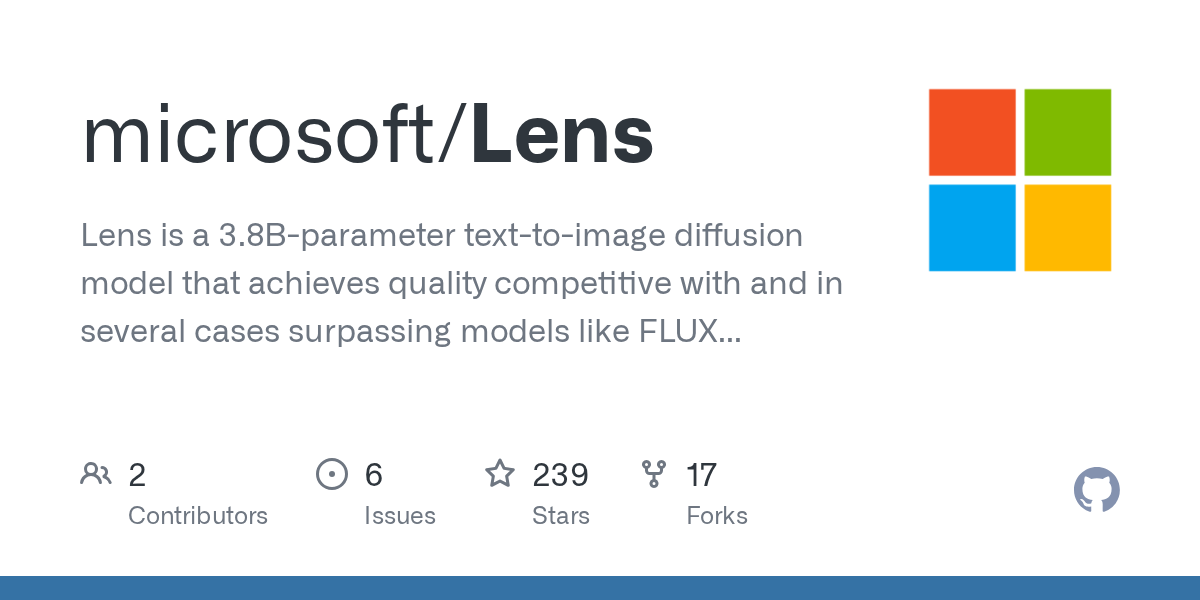
Microsoft's 3.8B-parameter diffusion model punches at FLUX and SD3 levels while costing meaningfully less to train, which matters if you care about what comes next in open image generation.
What it is. Lens is a 3.8B-parameter text-to-image diffusion model from Microsoft. You give it a text prompt and it returns an image, the same basic contract as FLUX or Stable Diffusion 3, but built around two ideas: packing more useful information into each training batch, and converging faster on quality as a result.
Why it matters. Training large image models is expensive, and that expense has historically kept the best results in the hands of labs with serious infrastructure. Lens is a signal that you can close the gap on quality without just throwing more compute at the problem. For the open-source ecosystem, that is worth watching closely.
What it improved on. The headline claim is that Lens reaches quality competitive with FLUX and SD3, and beats them on some measures, while using significantly less training compute to get there. That is a different optimization target than most models in this class, which tend to scale up rather than get smarter about data efficiency.
Strengths. Competitive image quality at 3.8B parameters, open weights on GitHub, and a training approach that prioritizes data information density rather than raw scale. If the efficiency story holds up under broader community testing, it could lower the bar for fine-tuning and further development.
Weaknesses. The project is early and stars are still low, so community validation is thin. The quality comparisons against FLUX and SD3 come from Microsoft’s own reporting, and independent head-to-head testing is still sparse. Inference hardware requirements are not detailed in the current documentation, and it is not yet clear how it slots into existing workflows like ComfyUI or Automatic1111.
More Models
 New
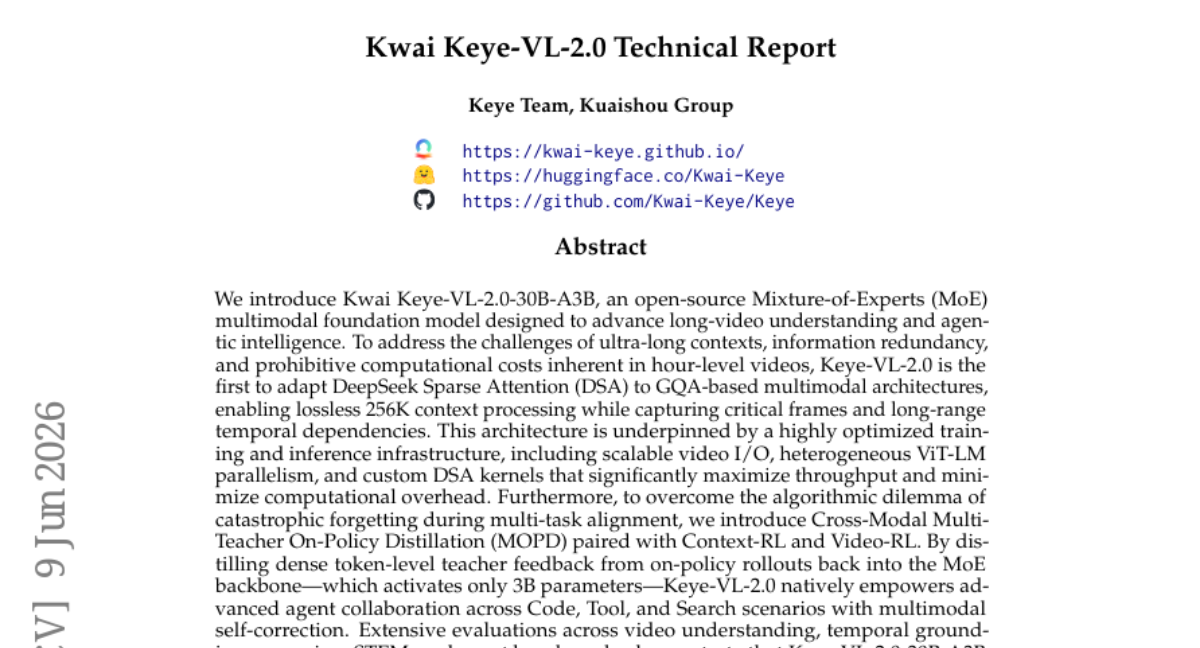
New Kwai's open 30B MoE model can reason over hour-long videos in a single pass, which puts it in rare company among openly released multimodal models.
Keye-VL-2.0: open multimodal model built for long video
JUN 9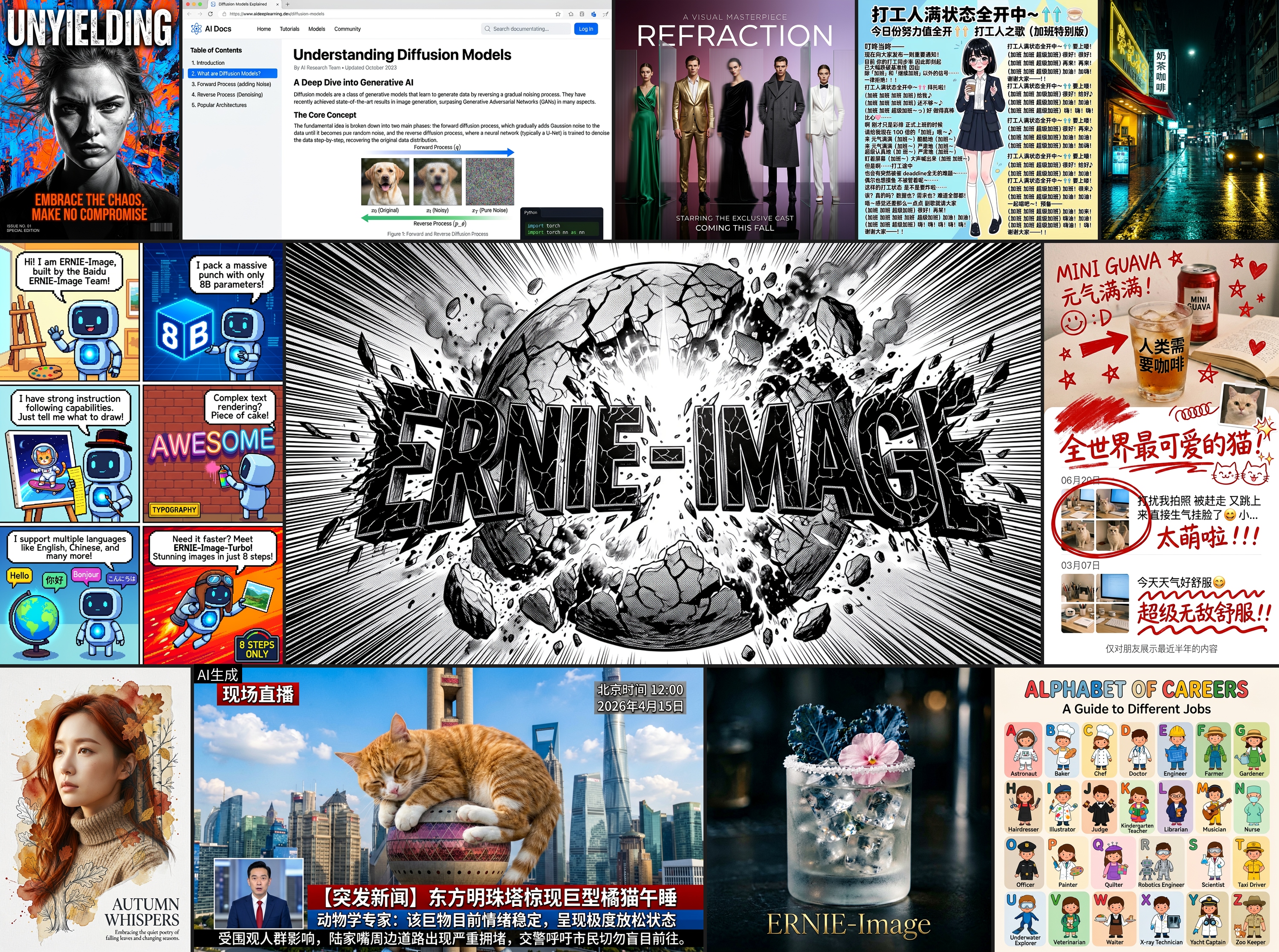
An 8B-parameter open-weight image model from Baidu that claims top-of-class quality among open generators, worth a look if you're weighing alternatives to Flux or SD3.
ERNIE-Image: Baidu's open text-to-image model
APR 14
A multimodal open model from GAIR that turns text or images into video with synced audio, tuned specifically for human subjects.