 Catalog
Claude Opus 4.6: Anthropic's agentic reasoning model
Anthropic's most capable Claude yet, built for long-running tasks and deep reasoning across large amounts of context.
What it is. Claude Opus 4.6 is Anthropic’s flagship model, aimed at work that demands extended reasoning, multi-step planning, and the ability to hold a lot in memory at once. It ships with a one-million token context window, which means you can feed it an entire large codebase, a long research brief, or a sprawling project history and it can reason across all of it without losing the thread.
Why it matters. A lot of creative and production work is not a single prompt and a single output. It is iterative, it spans documents and assets and decisions made last month, and it requires something that can plan a few moves ahead. Opus 4.6 is built for exactly that kind of work, which is more useful for a working creative than a model optimized for a single sharp answer.
What it improved on. Earlier Claude models, including Opus 4, handled agentic tasks well enough for shorter runs but got shakier as the context or the task chain grew longer. Opus 4.6 tightens that up with what Anthropic describes as improved planning and adaptive thinking, meaning it is better at knowing when to pause, reconsider, and adjust rather than charging ahead on a bad assumption.
Strengths. The context window is genuinely large, the reasoning on complex analytical or coding work is among the best available right now, and the model holds up well across long task chains where other models start to drift or repeat themselves.
Weaknesses. Opus-tier models from Anthropic have always been on the expensive side of the API, and that is unlikely to change here. For quick, simple tasks it is more than you need and you will pay for the overhead. Image generation is nowhere in this model’s scope, and if your work is primarily visual, this is not your tool.
More Models
 New
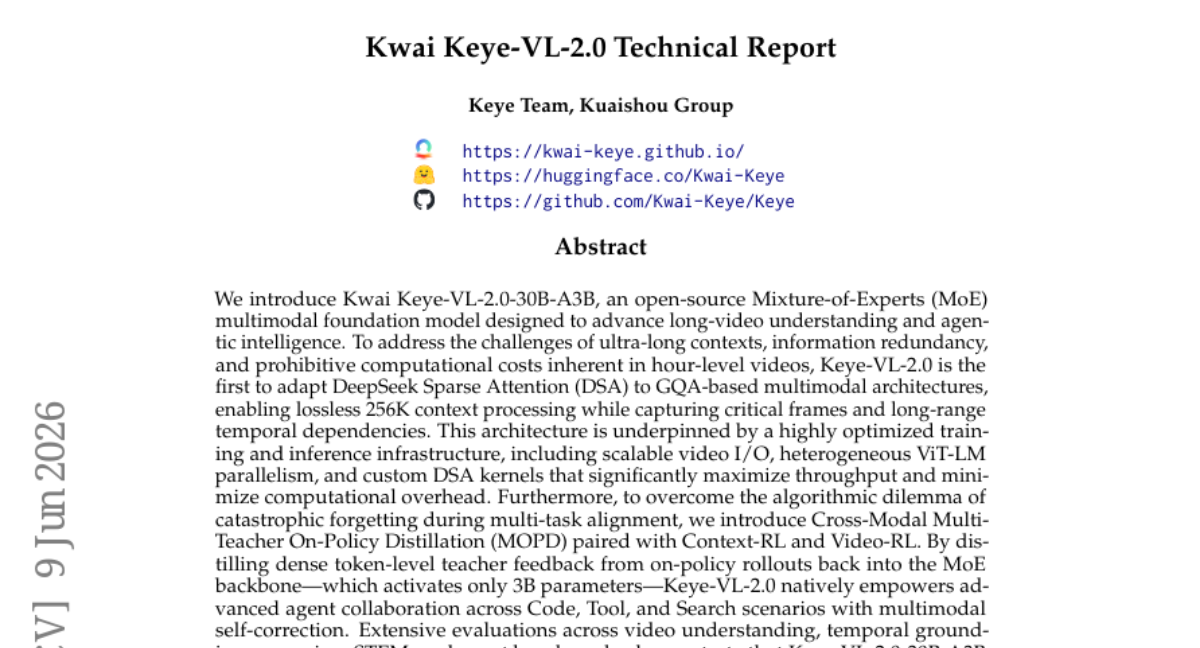
New Kwai's open 30B MoE model can reason over hour-long videos in a single pass, which puts it in rare company among openly released multimodal models.
Keye-VL-2.0: open multimodal model built for long video
JUN 9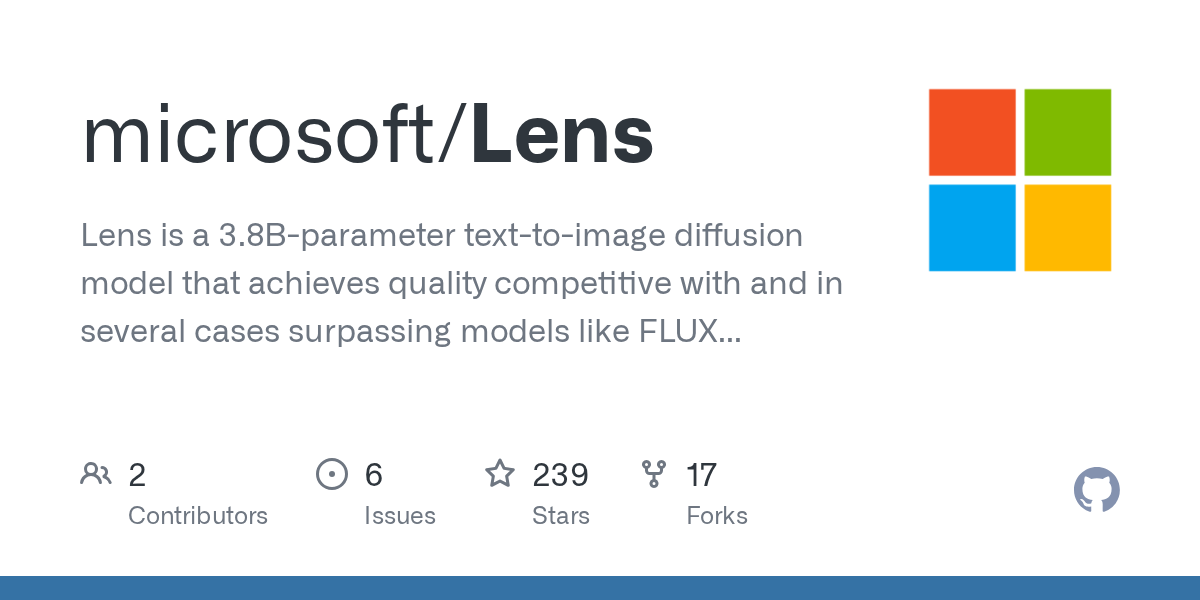
Microsoft's 3.8B-parameter diffusion model punches at FLUX and SD3 levels while costing meaningfully less to train, which matters if you care about what comes next in open image generation.
Lens: a leaner text-to-image model that trades compute for quality
MAY 8
An 8B-parameter open-weight image model from Baidu that claims top-of-class quality among open generators, worth a look if you're weighing alternatives to Flux or SD3.