 Catalog
Single-image relighting with PBR lighting control, under 100ms
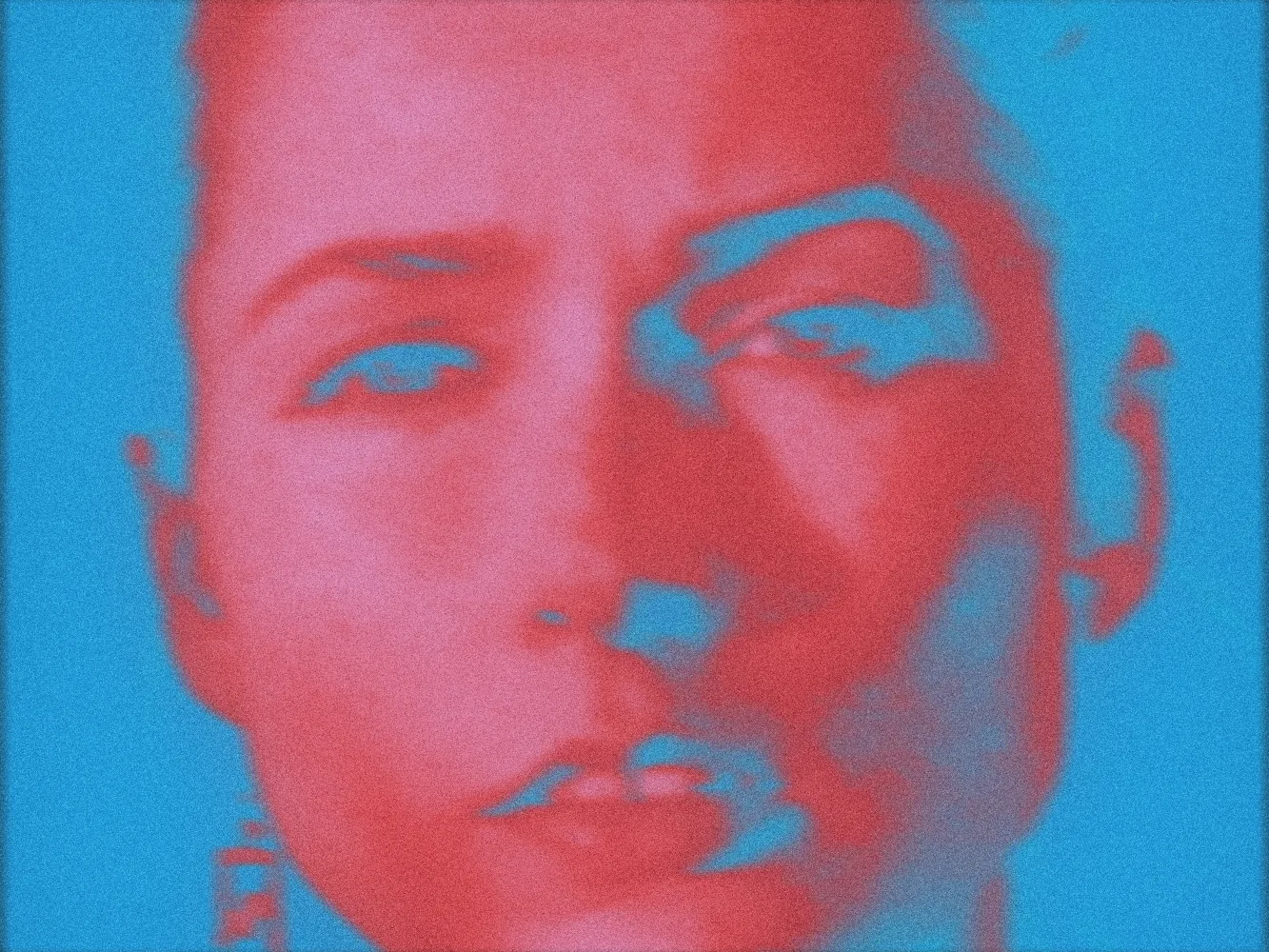
PIXLRelight takes a photograph and a lighting specification and hands back a relit version in under a tenth of a second, using physically based rendering intrinsics to make the light actually behave like light.
What it is. A method for relighting a single photograph using physically based lighting. You give it an image and specify the light — position, type, whatever a PBR setup supports — and a transformer-based model applies that illumination to the photo in one forward pass, in under 100 milliseconds. The code and weights are public.
Why it matters. Convincing relighting has always meant either a compositing pipeline with a lot of manual work, a slow per-image optimization loop, or accepting that text prompts and environment maps only get you so far. PIXLRelight is fast enough to be interactive and controllable enough to be precise, which is a combination that has been genuinely hard to get from a single open model. For anyone doing product photography, visual development, or compositing work, that gap between “good enough approximation” and “physically plausible result” is exactly where time disappears.
What is new here. Most learned relighting approaches either chain inverse rendering and forward rendering together, where errors stack up at each step, or they bake lighting control into something coarse like a text description or a single environment map. PIXLRelight sidesteps both problems with a shared intrinsic conditioning — albedo, diffuse shading, and non-diffuse residuals — that can come from real multi-illumination photographs or from a path-traced render of a rough 3D reconstruction of the input. That shared representation is what lets the model bridge real photography and PBR lighting without the error-accumulation problem. A per-pixel affine modulation layer keeps fine image detail from getting smeared in the process.
More Papers
 New
New Auto-cropping one image into establishing, medium, and close-up shots
A research paper that teaches a model to read a single human-centric photo and spit out three cinematically reasoned crops, the kind of establishing-medium-close-up sequence an art director would normally plan by hand.
 New
New FontFusion: font control for diffusion models that keeps text readable
A conditioning framework that lets you specify fonts in generated images without the usual tradeoff where tighter typographic control makes the actual letters fall apart.
 New
New NIV: turning a static font into a variable one automatically
A research method that takes a static font and predicts the glyph variations needed to make it fully variable, covering weight, width, slant, and more in a single model.