 Catalog
3D character animation from a webcam and whatever is on your desk
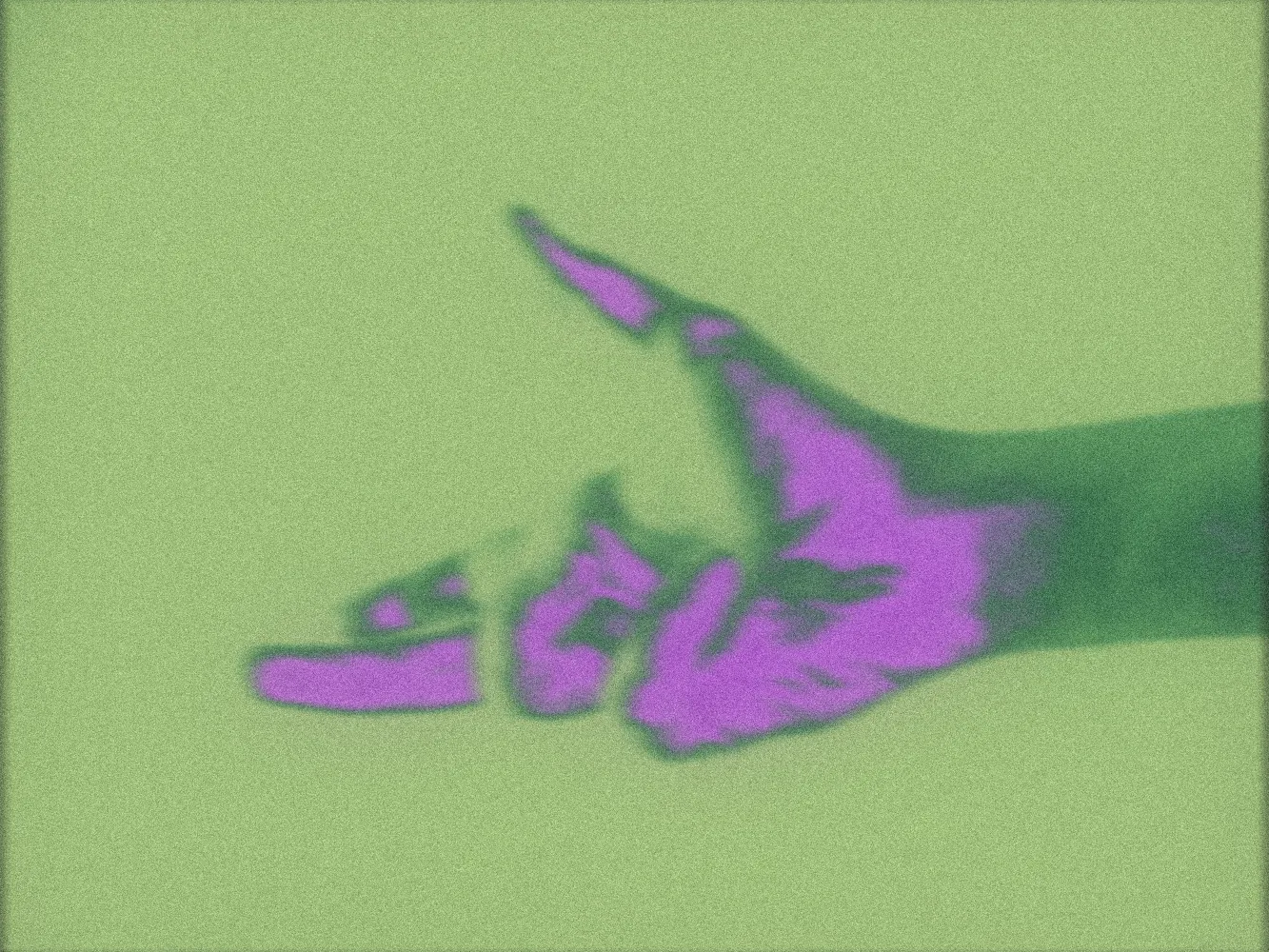
DancingBox turns the movement of any physical object you wave in front of a webcam into a smoothed, realistic 3D character animation, with no motion capture rig required.
What it is. A research system that lets you animate a 3D character by moving an everyday object in front of a single webcam. You grab a plush toy, a banana, whatever is at hand, move it around, and DancingBox reads the bounding box of that object across frames, feeds those coarse movements into a generative motion model trained on large-scale human motion data, and outputs a realistic 3D character animation that matches the general shape of what you did. It is digital puppetry with a grocery item as the puppet.
Why it matters. The two usual routes to character animation are expensive and slow: either you learn a professional rigging and keyframe workflow, or you rent time on a proper motion capture stage with markers and actors. DancingBox is worth watching because it suggests a third path where the capture hardware is already in your laptop and the skill floor is low enough that a novice can get something plausible out of it quickly. For motion designers or animators who want to rough out a movement idea without the overhead, that shift in friction matters.
What is new here. The core move is using bounding boxes, the rough rectangular outlines of a moving object, as the motion signal rather than precise skeletal tracking. That is a deliberately lossy representation, but the generative model fills in the gaps by drawing on priors learned from existing motion capture datasets, producing smooth and physically plausible character motion from input that would otherwise be too vague to use. The team also had to solve a training data problem: there are no paired datasets of proxy-object footage matched to character animations, so they synthesized their own by converting existing mocap sequences back into bounding-box representations. The user study in the paper covers a range of proxy objects and suggests the approach holds up across them, though how well it generalizes to fast or complex movements, and what the output quality ceiling looks like compared to real mocap, is the honest open question.
More Papers
 New
New Auto-cropping one image into establishing, medium, and close-up shots
A research paper that teaches a model to read a single human-centric photo and spit out three cinematically reasoned crops, the kind of establishing-medium-close-up sequence an art director would normally plan by hand.
 New
New FontFusion: font control for diffusion models that keeps text readable
A conditioning framework that lets you specify fonts in generated images without the usual tradeoff where tighter typographic control makes the actual letters fall apart.
 New
New NIV: turning a static font into a variable one automatically
A research method that takes a static font and predicts the glyph variations needed to make it fully variable, covering weight, width, slant, and more in a single model.